Basic HTML Version



Patients
who have been discharged from the hospital
often have a long list of instructions to remember. A patient
who has been diagnosed with heart failure is a good example
(see sidebar). And the consequences of failing to comply with
those instructions could land the
patient right back in the hospital.
That is where Georgetown
Hospital System’s (GHS)
Community Based Care
Transitions Program (CCTP)
steps in to assist. The program
contacts patients who may need
help following their discharge
instructions. The overall goal of
the program is to help reduce
preventable readmission to the
hospital.
“Preventable readmission rates are declining,” says Mary
Gruenwald, RN, BS, CCM, CPHM, Georgetown Memorial
Hospital (GMH) case management director. “However,
for the patient readmission means more potential
complications, disease and hospital-related infections.”
We help you succeed
GHS is looking for ways to extend care beyond the walls
of the hospital and offer disease-management assistance.
These nurses consult with patients before they are sent
home from the hospital. Crystal Reid, RN, BSN, serves
as the transitional care coordinator at GMH, and Deb
Collins, RN, serves as the transitional care coordinator
at Waccamaw Community Hospital (WCH). They also
contact discharged patients to help them make doctor
appointments and get medications. For congestive heart
failure patients, for whom tracking weight daily is crucial,
they can provide a scale if the patient does not have one.
Other opportunities for support, such as meal preparation
and on-site home visits, may also be available.
“I am proud to have a role in developing this program,”
says Monica Grey, RN, BHS, MHA, ACM, case
Take a
closer look
If you’ve been diagnosed with
heart failure, your doctor will give
you a list of instructions to follow
when you return home from the
hospital. It will look something
like this:
1. Weigh daily.
2. Take your medications as
prescribed by your physician.
3. Eat heart-healthy.
4. Avoid physical activity that
worsens symptoms.
5. Have a follow-up
appointment with your doctor
within seven days.
6. If you smoke, quit.
Georgetown Hospital System’s
Community Based Care
Transitions Program can help
you successfully follow these
instructions and get you on your
way to better health.
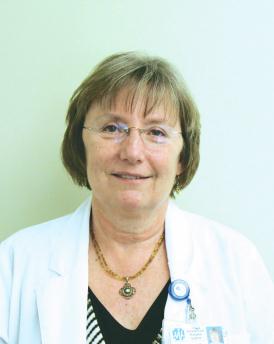
Deb Collins, RN,
transitional care
coordinator
COMMUNITY BASED CARE TRANSITIONS PROGRAM
management director at WCH. “We are working with
the Area Agency on Aging, Waccamaw Regional Council
of Governments and our state quality improvement
organization—the Carolinas Center for Medical
Excellence—to analyze our readmissions, identify
opportunities for improvement, and build on our
current processes and infrastructure to successfully
prevent avoidable readmissions.”
Volunteers at WCH also participate in the program
by calling discharged patients and asking them about
their prescriptions, diet, pain tolerance and home health
concerns and listening to any other needs the patient may
have. During 2011, volunteers contacted and offered help
to more than 1,200 patients.
Help for patients in need
One such patient had been unable to get a prescription filled
because of the high cost. In a display of teamwork, Collins
worked with a local pharmacy and outpatient pharmacy
manager David Foxworth, RPh, to reach a solution so the
patient could afford the medication. When the patient then
could not find transportation to pick up the prescription,
Collins delivered the medication to the patient’s home.
“This is a win-win situation; better care transitions will
enhance patient safety and improve outcomes and patient
satisfaction,” Grey says.
YOUR HEALTH
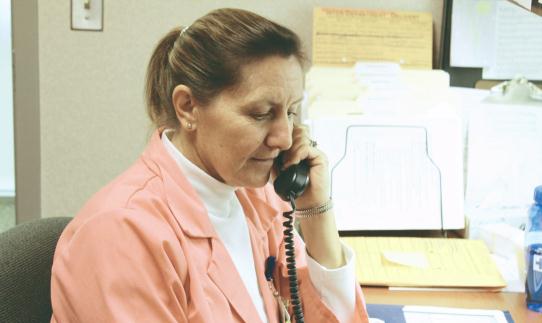
Waccamaw Community Hospital volunteers, such as
Becki Busby, call recently discharged patients to see
if they have health questions or concerns.
road to recovery
Your guide on the
2
GEORGETOWN HOSPITAL SYSTEM