Basic HTML Version





Julia Wren, MD, a pediatric and internal medicine
specialist, is also a member of the group. She says
it has helped raise her level of understanding from
a completely different perspective. “It certainly has
helped me better understand the community and the
patients I’m taking care of,” she says. “Understanding
how my patients see things and how other members
of the community see the hospital and health care
helps me be a better doctor. I’m so happy to be part
of this.”
What we do
So what does the Community Council really do? The
Community Council charter says it all: “facilitate
Excellence in Service, Safety and Quality Care to
patients, through collaboration, listening and learning
from Georgetown Hospital System staff and patients
on how to improve care processes.”
In part because of the complexity of health care,
one of the first orders of business after assembling the
Community Council was to provide education for the
community members. From navigating the myriad
health care acronyms to explaining patient privacy
concerns related to protected health information,
the initial meetings were consumed by education,
explanation and development of the committee
infrastructure.
After all of that material was shared and digested,
the real work of the group began. Today, the members
have selected specific committees on which they
participate. With more than 33 committees—
from the obvious such as “Service Excellence”
and “Medication Safety” to the more obscure,
yet equally important, groups such as “Perinatal
Committee” and “Culture of Safety”—to choose
from, it wasn’t difficult for each person to find
specific areas that appealed to him or her.
This process of inviting and welcoming community
members as active participants in internal hospital
committees is a strong departure from previous
practice, according to Roy E. “Reg” Gilbreath, MD,
vice president of medical affairs.
“Traditionally, our teams were hard at work
internally resolving issues and improving processes,
but we sometimes didn’t look hard enough at a
critical perspective—that of the patient,” he says. “The
creation of the Community Council represents a
calculated effort to address that. It was a big step, but
certainly the right thing to do.”
For some of the Community Council members,
their perspective and opinion of their local hospital
has been reinforced. For others, the experience has
changed their perspective entirely.
“If you have a problem at a hospital, don’t let that
one episode influence your opinion,” Grant says. “Go
and talk to someone. There are people here who will
listen.”
Holmes agrees. “They are willing to help and make
things right.”
For Sheffing, knowing that the care providers are
members of the community she lives in makes a
difference.
And for Rigby, his opinion has improved
dramatically. “[The patient experience] is
completely different from what it was just a few
years ago,” he says. “It’s just not the hospital it was.”
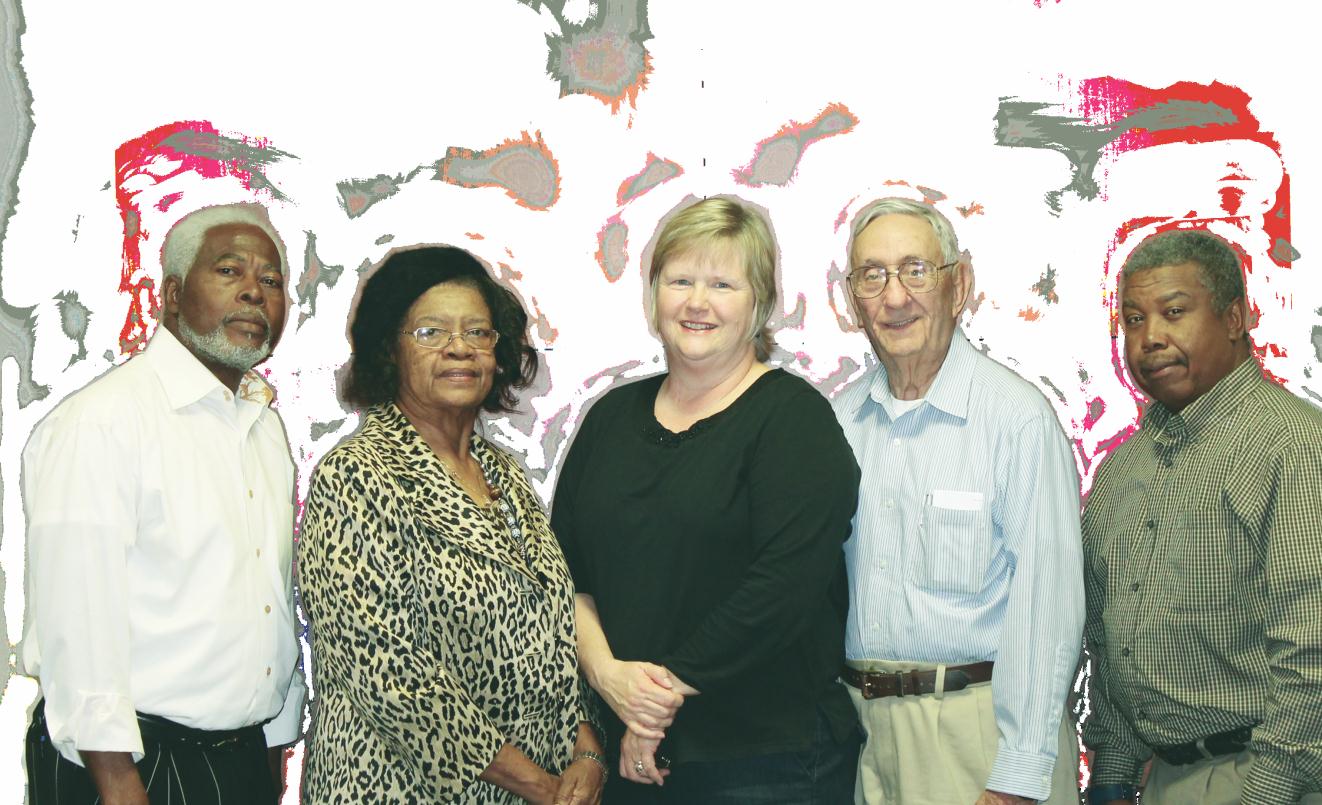
Communitymembers serving
on the council are (from left)
Elder Lester John DraytonSr.,
Emma Holmes, KathieSheffing,
A. J. Rigby and James Grant
(not pictured: Vicki Grant
andDanita Vetter).