


PHYSICIANS
Diagnosis and treatment
The gastroenterologist assesses the severity of GERD
based on symptom frequency and severity as well as
objective signs of tissue injury. These are best assessed
with flexible endoscopes to check for esophageal
ulceration and precursors to cancer. A care plan is
outlined based on the suspected causes of GERD,
prudently combining dietary and lifestyle changes and
periodic reassessment to ensure clinical improvement
and maintenance of healing.
Our input could help to assess the potential adverse
e ects of anti-inflammatory agents; vitamins; herbal
agents; and various osteoporosis drugs in patients with
GERD. We can individualize each patient’s care. We will
explain the basis for our recommendations in a way
that you will understand, and we will make simple and
e ective suggestions, such as elevation of the head of
your bed at night or dietary changes.
If you are unsure whether your chest discomfort
is related to GERD, your heart, your lungs or a
musculoskeletal disorder, call your doctor and don’t
delay in seeking attention. If you experience food
getting stuck in your esophagus or black stools, seek
emergency medical assessment. Poor sleep caused by
reflux can result in sub-optimal job performance, fatigue,
worsening of sleep apnea and poorly controlled high
blood pressure. We can guide your treatment, make
changes as necessary and troubleshoot when there are
signs of complications.
A dierent approach
A partial knee replacement may be appropriate if you
have arthritis localized to a specic compartment of the
knee. In the right situation, it can lead to a faster recovery
and make the knee feel more normal.
The biggest problemwith knee replacement surgery
continues to be infection or pain and sti ness aer
surgery. This is really not influenced much by any
new breakthrough in implant technology. Be sure to
discuss with your surgeon the possibility of infection
(which occurs in to percent of cases), and deep-vein
thrombosis (blood clots in the veins), as well as other
possible complications.
We’re
relocating!
To serve you better, Georgetown
Hospital System is preparing to
open a newmedical service/
physician o£ce building in
Murrells Inlet. The new facility
will be known as Waccamaw
Medical Park –West.
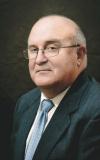
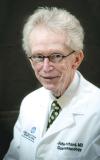
We’re pleased to announce
that among other specialists,
Laurence H. Ballou, MD; John
L. Orchard, MD; George M. Orr,
MD; and Kathy M. Raynor, MD,
of Waccamaw Gastroenterology,
and Scott A. Sherrill, MD, of
Waccamaw Orthopaedics, will
be seeing patients in o£ces
located in the new building.
The gastroenterologists also
will continue seeing patients at
their Georgetown o£ce.
George M. Orr, MD
Laurence H. Ballou, MD
John L. Orchard, MD
Kathy M. Raynor, MD
Scott A. Sherrill, MD
www.georgetownhospitalsystem.org
5
www.georgetownhospitalsystem.org