Basic HTML Version



2
GEORGETOWN HOSPITAL SYSTEM
It
takes a village to raise a child, and it takes a community to care for the
elderly—especially those who are frail or isolated or who have little to no support
system.
As the number of older patients grows, hospitals, social service agencies and
faith-based organizations are recognizing the need for the care continuum to be
expanded beyond traditional activities. It could mean a warm hand to hold, a hot
meal, a ride to the grocery store or a trip down memory lane reminiscing over
old pictures.
Georgetown Hospital System (GHS) has recently launched two programs
that address the needs of elderly patients and those recently discharged from
the hospital. Called the Hospital Elder Life Program (HELP), and the Health
Coach Program, both depend on the dedication of trained volunteers to
fulfill their mission—to improve health outcomes for the patients with
certain diagnoses by reducing hospital readmissions and helping patients
maintain physical and cognitive functioning and be as independent as possible.
Read on to learn how each program works and to find out if you would like to
become a volunteer.
Health Coach Has A Different
Caring
Seniors
In Our Community
Being
in the hospital can be trying. But for the elderly, going home from the
hospital can be even more daunting—especially when one lives alone, has few
resources or is dependent on a caregiver overwhelmed by these responsibilities.
Keeping follow-up appointments, getting nutritious food and following
doctor’s orders are a few of the hurdles these individuals face. And with no one or
only a stressed caregiver at home to rely on for assistance in staying on the road
to recovery, many of these patients land right back in the hospital within 30 days.
The results are costly, and the situation is particularly uncertain for individuals
recovering from heart attack, congestive heart failure, pneumonia or chronic
obstructive pulmonary disease (COPD).
Enter the health coach, a trained volunteer who is part guardian angel, part
caregiver, part surrogate family member, who coaches people toward recovery
and keeps spirits and health from flagging.
Launched in August, the Health Coach Program is a community-based
partnership involving Georgetown Hospital System (GHS), Waccamaw Area
Agency on Aging and Grace Ministries’ Neighbor to Neighbor Program.
The Health Coach Program—the only one of its kind in the area—serves
residents who have been treated for heart attack, congestive heart failure,
pneumonia or COPD and who do not qualify for home health services.
“A health coach can make the difference between recovery and relapse, and in
the elderly, that often means the difference between staying at home or returning
to the hospital,” says Deb Collins, RN, BSN, transitional care coordinator at
Waccamaw Community Hospital.
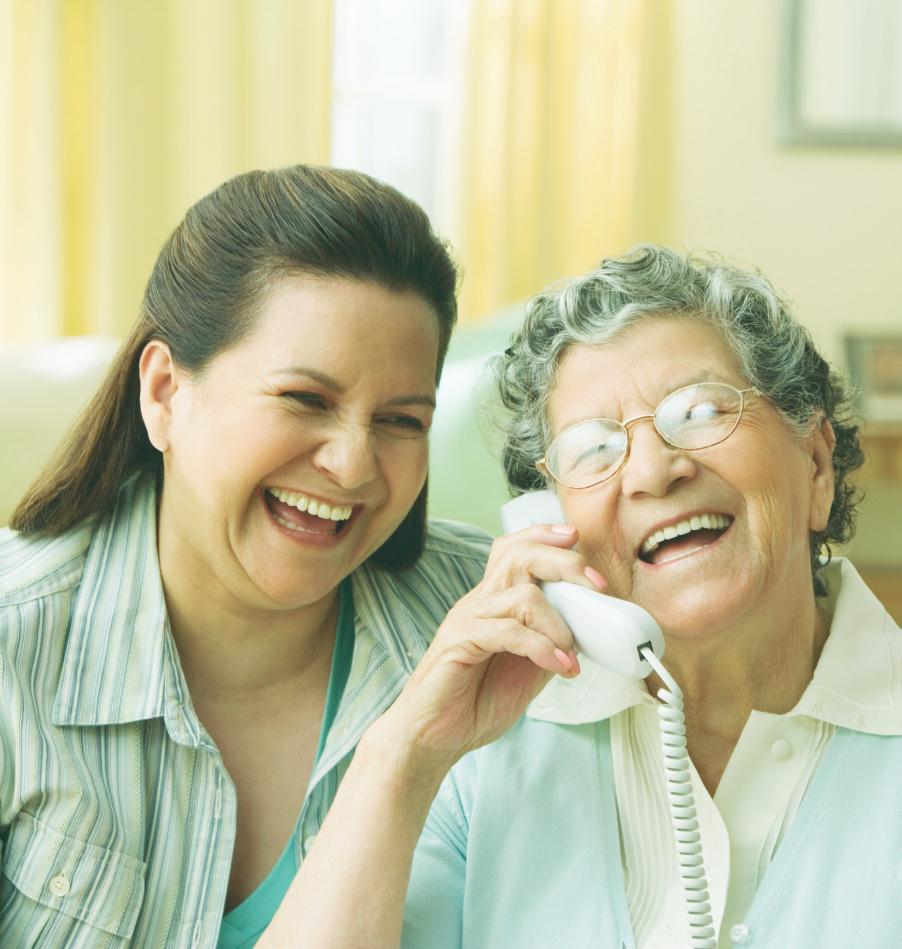
Health coaches bridge the gap between medical and social services, providing
transportation, in-home visits and a series of reassurance phone calls for five
weeks after discharge from the hospital.
“We want to encourage the recovering individual to do things gradually and
become active participants in their own care,” Collins says. “Patients who are able
to follow up with their physician and recognize their symptoms are much less likely
to be readmitted to the hospital, and therefore experience better health outcomes.”